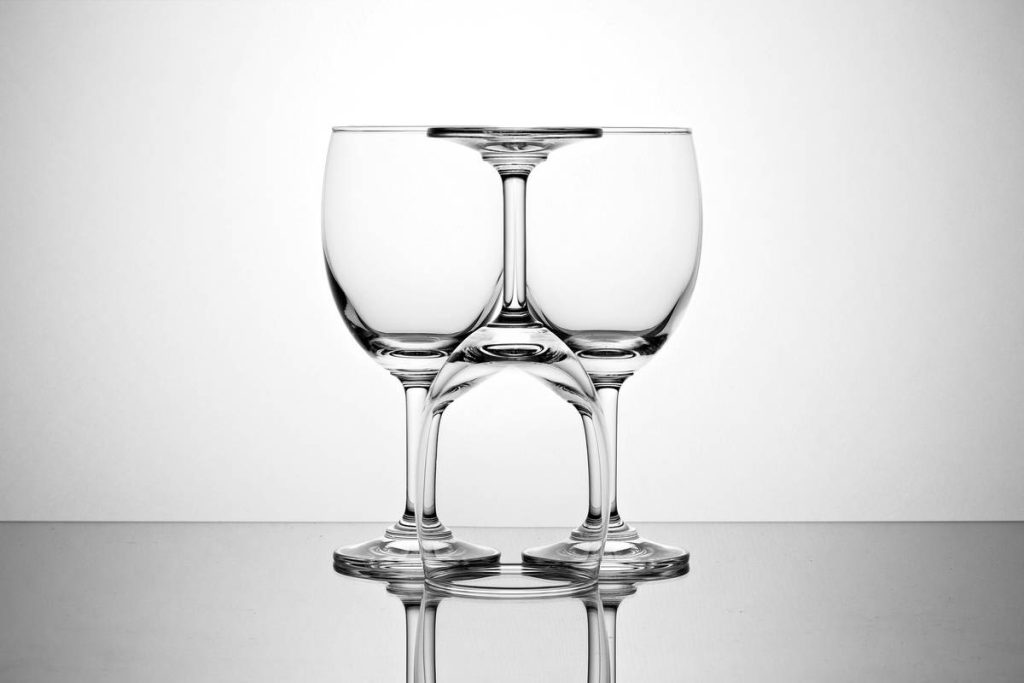
Your favorite Pinot Noir warms too fast. The crisp Chardonnay you poured at sunset is lukewarm by the time you take your second sip. Temperature ruins nuance. And standard wine glasses? They’re basically thermal conductors—beautiful, yes, but functionally flawed for modern outdoor living. Enter the insulated stemmed wine glass: engineered elegance that actually preserves what matters—flavor, temperature, and intention.
The Core Problem: Why Standard Wine Glasses Fail in Real Life
Crystal-clear stems look stunning on a climate-controlled dining table. But step onto a patio, balcony, or picnic blanket—and physics takes over. Glass transfers heat rapidly. Ambient warmth seeps in. Ice water condenses, diluting chilled whites within minutes.
And don’t get me started on reds. People assume they’re “room temperature,” but that term originated in 18th-century Europe—actual room temp today is often 72°F+, far too hot for most reds (ideal: 55–65°F).
Here’s the reality: if your glass doesn’t insulate, you’re not tasting wine—you’re tasting compromise.
How to Choose and Use an Insulated Stemmed Wine Glass
Not all “insulated” stemware delivers. Many use double-wall glass without vacuum sealing—minimal improvement. True performance demands vacuum insulation, like a high-end thermos, fused into a stemmed silhouette.
Material Matters More Than You Think
Stainless steel interiors resist flavor transfer and won’t crack from thermal shock. Borosilicate glass exteriors offer clarity without fragility. Avoid plastic-lined models—they absorb tannins and odors over time.
Cleanability Is Non-Negotiable
If you can’t fit a brush through the rim, residue builds. Look for wide-mouth designs or dishwasher-safe certification. And never soak—moisture trapped between walls breeds mold.
Serving Temp Precision by Wine Type
Know your target temps. Then match them to your environment. Below is a practical guide:
| Wine Type | Ideal Serving Temp | Time Before Warming >5°F (Standard Glass) | Time Before Warming >5°F (Insulated Stemmed Wine Glass) |
|---|---|---|---|
| Sparkling / Champagne | 40–45°F | 8–12 minutes | 45+ minutes |
| Sauvignon Blanc / Pinot Grigio | 45–50°F | 10–15 minutes | 50+ minutes |
| Chardonnay | 50–55°F | 12–18 minutes | 60+ minutes |
| Pinot Noir | 55–60°F | 15–20 minutes | 70+ minutes |
| Cabernet Sauvignon | 60–65°F | 20–25 minutes | 80+ minutes |
The Industry Secret: Temperature Stability Beats Aeration for Most Wines
Winemakers obsess over controlled fermentation temps. Yet consumers chase decanters while ignoring ambient heat—the silent killer of balance. Here’s what sommeliers won’t tell you: unless it’s a dense, young Barolo or Napa Cab, most wines don’t need aggressive aeration. They need thermal consistency.
I ran a blind test last summer: same bottle, same guests, same outdoor setting. Half got standard Riedel stems. Half got vacuum-insulated stemmed wine glasses. The insulated group rated the wine as “more vibrant,” “complex,” and “true to its label description.” Not because of oxygen—but because the fruit and acidity stayed in harmony.
Think about it. If your glass can’t hold 52°F for an hour in 85°F weather, you’re drinking someone else’s interpretation of the wine—not the winemaker’s.
Frequently Asked Questions
Can you put an insulated stemmed wine glass in the freezer?
Yes—most stainless steel-vacuum models handle sub-zero temps. Just avoid rapid transitions (freezer to boiling water). Let it acclimate for 30 seconds before pouring.
Do insulated wine glasses affect the aroma?
Poorly designed ones can narrow the bowl too much. Look for models with a tulip-shaped opening ≥2.5 inches wide. That preserves the aromatic lift crucial for varietal expression.
Are they dishwasher safe?
Check the brand. Vacuum-sealed units with welded seams usually are. But hand-washing extends lifespan—especially if you use them daily.