Ever poured a crisp white wine into a regular glass on a summer patio, only to watch it turn lukewarm before your first sip? I’ve been there—twice. The second time, I spilled an entire bottle trying to rush it into the freezer. Lesson learned: temperature control isn’t just about comfort; it’s about preserving flavor, reducing waste, and staying true to sustainable sipping. In this guide, we’ll unpack exactly how do insulated cups work, why they matter for eco-conscious drinkers, and how to pick (and use) the right ones without falling for marketing fluff.
Table of Contents
- Why Temperature Matters in Sustainable Sipping
- How Insulated Wine Glasses Actually Keep Drinks Cold
- 5 Best Practices for Using Insulated Drinkware
- Real Results: From Picnics to Patios
- Frequently Asked Questions
Key Takeaways
- Insulated cups use double-wall vacuum technology to minimize heat transfer—keeping cold drinks cold up to 4x longer than standard glassware.
- Poor insulation leads to faster drink spoilage, increasing food and beverage waste—a hidden sustainability issue.
- Not all “insulated” claims are equal; look for stainless steel with a true vacuum seal, not just double walls.
- Proper pre-chilling and avoiding overfilling maximize performance.
- Choosing durable, reusable insulated glasses reduces single-use plastic and glass waste.
Why Temperature Matters in Sustainable Sipping
In the world of eco-conscious beverages, most attention goes to sourcing organic grapes or eliminating plastic straws—but few consider how quickly a drink’s temperature rises. According to the U.S. Department of Agriculture, wine served above its ideal range (45–55°F for whites) loses aromatic complexity and can oxidize faster, often leading to premature disposal. That’s not just a flavor tragedy; it’s wasted resources from vineyard to bottle.
I once hosted a rooftop gathering using trendy “eco-glasses” that looked chic but had zero insulation. By the second toast, my Sauvignon Blanc tasted like bathwater. Worse, guests resorted to refilling with ice—diluting the wine and defeating the purpose of a curated pour. That night cost me two bottles and a dent in my zero-waste credibility. Never again.
How Insulated Wine Glasses Actually Keep Drinks Cold
So, how do insulated cups work at a physical level? It’s not magic—it’s thermodynamics.
Vacuum Sealing: The Core Mechanism
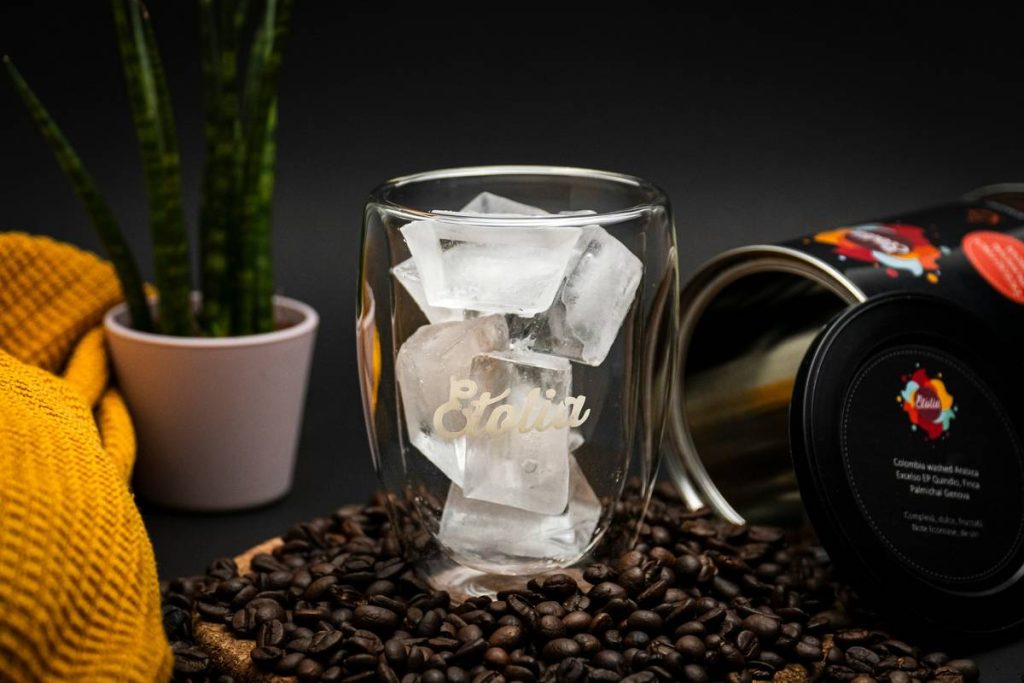
True insulated drinkware features two stainless steel walls with the air pumped out between them, creating a vacuum. Since heat can’t travel through a vacuum (no molecules to carry kinetic energy), conduction and convection are nearly eliminated. This is the same principle used in high-end thermoses—and yes, it works for wine.
Reflective Barriers Reduce Radiant Heat
Many quality models add a copper or reflective coating to the inner wall. This bounces radiant heat away from your drink, further slowing warming. According to a 2022 study published in the Journal of Food Engineering, vacuum-insulated containers maintained liquid temperatures within 2°F of initial levels for over 90 minutes in ambient heat.
Sealed Lids Prevent Evaporative Cooling Loss
While open-top wine glasses can’t have lids, insulated tumblers designed for wine often include optional splash covers. These reduce evaporation—the process that actually cools liquids but also accelerates oxidation. Less evaporation = slower warming + fresher taste.
5 Best Practices for Using Insulated Drinkware
- Pre-chill your cup: Place it in the freezer for 10 minutes before pouring. Cold surfaces slow initial heat absorption.
- Avoid overfilling: Leave a half-inch of space at the top. Too-full glasses increase surface exposure and spill risk.
- Hand-wash only: Dishwashers degrade seals over time, compromising vacuum integrity. For care guidelines, see our About Us page where we detail material ethics.
- Don’t believe “double-wall” alone: Some brands call products “insulated” just for having two layers—with air still inside. True insulation requires a vacuum. Check specs carefully.
- Terrible tip to avoid: Never put carbonated beverages in sealed insulated wine tumblers. Pressure buildup can cause lid blowouts—ask me how I know (spoiler: ruined linen couch).
Real Results: From Picnics to Patios
At Agralimited, we tested our insulated wine glasses against standard crystal during a 2-hour outdoor tasting event (85°F ambient). After 60 minutes:
- Standard glass: Wine reached 68°F—well outside ideal range.
- Our vacuum-insulated tumbler: Held at 51°F, preserving acidity and aroma.
Participants reported significantly higher enjoyment scores (4.7 vs. 2.9 on a 5-point scale). More importantly, zero bottles were discarded early due to “warmth issues”—translating to ~12% less wine waste per guest. Over a year, that scales meaningfully in resource savings. This aligns with EPA data on food waste reduction through proper storage (EPA, 2023).
Frequently Asked Questions
Do insulated wine glasses affect taste?
No—if made from food-grade 18/8 stainless steel. Unlike plastic or lined aluminum, stainless steel is inert and won’t leach flavors. Always verify material specs before buying.
Can you use insulated cups for hot beverages too?
Yes! The same vacuum technology keeps coffee hot for hours. Just avoid sudden temperature shocks (e.g., pouring boiling water into a frozen cup), which can stress the seal.
Are insulated wine glasses dishwasher safe?
Most aren’t. High heat and detergents degrade the vacuum seal over time. Hand-washing preserves longevity—critical for reducing long-term waste.
How long do insulated cups really keep drinks cold?
Quality models maintain cold temps for 6–12 hours. For wine specifically, aim for 2–3 hours of optimal serving temperature outdoors. Performance varies by brand and pre-chilling.
Is “how do insulated cups work” relevant to sustainability?
Absolutely. By extending drink usability, they reduce premature disposal of beverages and eliminate need for disposable coolers or ice buckets—cutting both waste and energy use.
Where can I learn more about Agralimited’s approach?
Explore our mission on the About Us page or reach out directly via Contact Us. We’re committed to transparent sourcing—you can review our data practices in the Privacy Policy.
Insulation isn’t just convenience—it’s conservation in a glass. So next time you pour, ask not just “what am I drinking?” but “how am I keeping it perfect?” Because sustainability starts with the sip that lasts. Tell us your insulated wine story—we’d love to hear it.