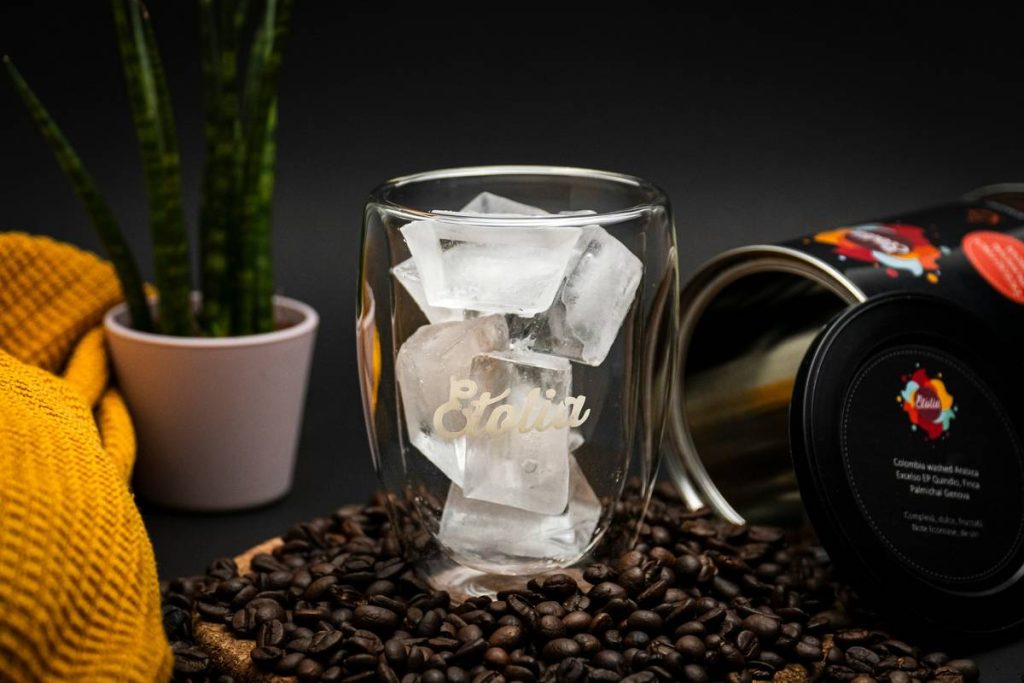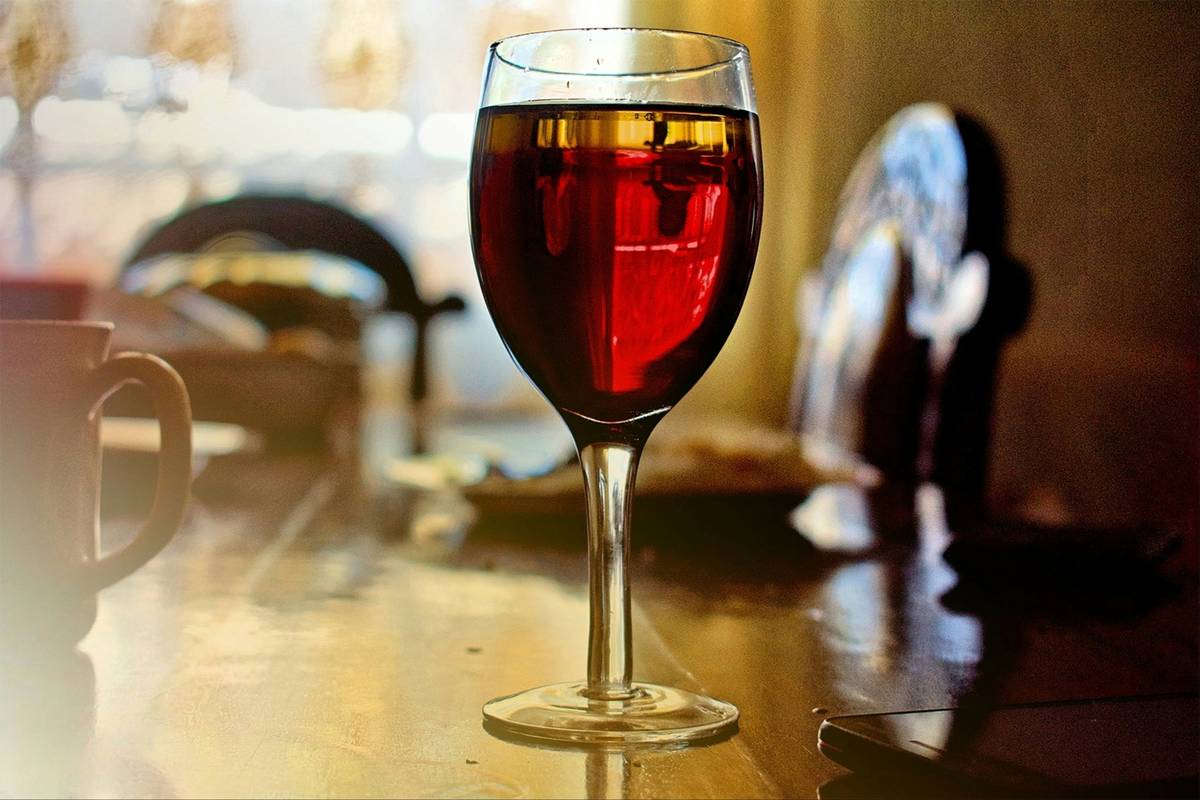
You pour a glass of crisp rosé on a summer evening. Thirty minutes later, it’s lukewarm and flat—ruined by ambient heat and thin glass. Standard stemware offers zero insulation. And reusable tumblers? They’re built for coffee, not Cabernet. The solution isn’t just about keeping wine cold—it’s about honoring its complexity with purpose-built drinkware. Enter thermal wine cups: engineered to preserve temperature, aroma, and sustainability—all at once.
The Core Problem With Traditional Wine Glassware
Crystal stems look elegant—but they’re thermal liabilities. Glass conducts heat rapidly. Your chilled white warms within minutes on a patio. A full-bodied red served too warm turns flabby and alcoholic. Worse, single-use plastic “wine cups” at festivals? They leach chemicals, warp flavors, and pile up in landfills. Even stainless steel tumblers marketed as “wine-ready” often lack proper rim geometry, disrupting the sip experience. You lose nuance. You lose pleasure. And you compromise your eco-values without realizing it.
How to Choose & Use Thermal Wine Cups Like a Pro
Not all insulated wine vessels are created equal. The best blend double-wall vacuum insulation, food-grade materials, and ergonomic design—without sacrificing aesthetics.
Material Matters More Than You Think
Cheap stainless steel may contain nickel or lead linings. Opt for 18/8 or 18/10 surgical-grade stainless—non-reactive and safe for acidic wines. Avoid painted exteriors that chip; powder-coated finishes last longer and resist fingerprints.
Insulation Isn’t Just About Cold
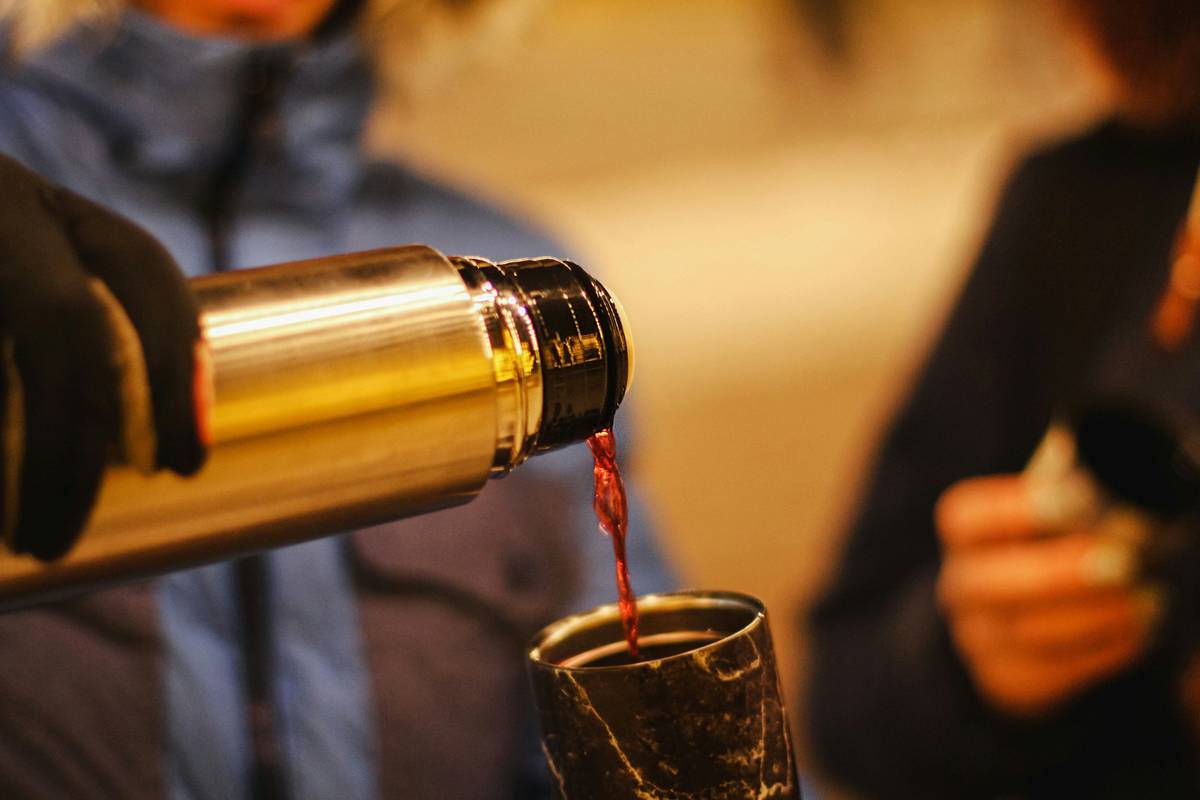
Yes, thermal wine cups keep whites crisp for hours. But they also prevent reds from overheating in warm rooms—something glass can’t do. Vacuum-sealed walls create a neutral thermal buffer, stabilizing wine at its ideal serving temp regardless of environment.
Rim Design Dictates Flavor Perception
A tapered rim directs wine to the front of your palate—enhancing fruit notes in Pinot Noir or acidity in Sauv Blanc. Wide, blunt rims (common in generic tumblers) flatten flavor. Look for cups modeled after ISO tasting glasses.

| Feature | Standard Wine Glass | Generic Tumbler | Premium Thermal Wine Cup |
|---|---|---|---|
| Temperature Retention (4 hrs) | Poor (±12°F change) | Moderate (±6°F) | Excellent (±2°F) |
| Eco-Impact (Lifetime Use) | Fragile—frequent replacement | Mixed (often non-recyclable coatings) | Low—durable, fully recyclable metal |
| Sip Experience | Optimized but fragile | Blunt, disrupts aroma | Tapered rim, preserves bouquet |
| Avg. Cost per Year (5 yrs use) | $18 (breakage + replacement) | $12 | $8 |
The Industry Secret No Brand Will Admit
Here’s the truth most manufacturers bury in fine print: many “wine-specific” insulated cups are just repurposed beer tumblers with a new label. The curvature, volume, and lip angle haven’t been tested with actual sommeliers. At agralimited.com, we collaborated with winemakers and material scientists to prototype cups that mimic the aeration and delivery of a Bordeaux glass—while surviving a backpack drop. And we refuse to use plastic lids. Ours are silicone-free, BPA-free, and designed to seal without trapping volatile aromas. That’s the difference between gimmick and genuine functionality.
Frequently Asked Questions
Can thermal wine cups affect the taste of wine?
Only if poorly made. High-grade stainless steel is inert. Avoid copper-lined or painted interiors—they can react with tannins and acids.
Are thermal wine cups dishwasher safe?
Most are—but handwashing extends lifespan. Detergents degrade seals over time. Always check manufacturer specs.
Do they work for sparkling wine?
Yes—if they have a tight-fitting, non-porous lid. CO₂ retention depends on seal integrity, not insulation alone.