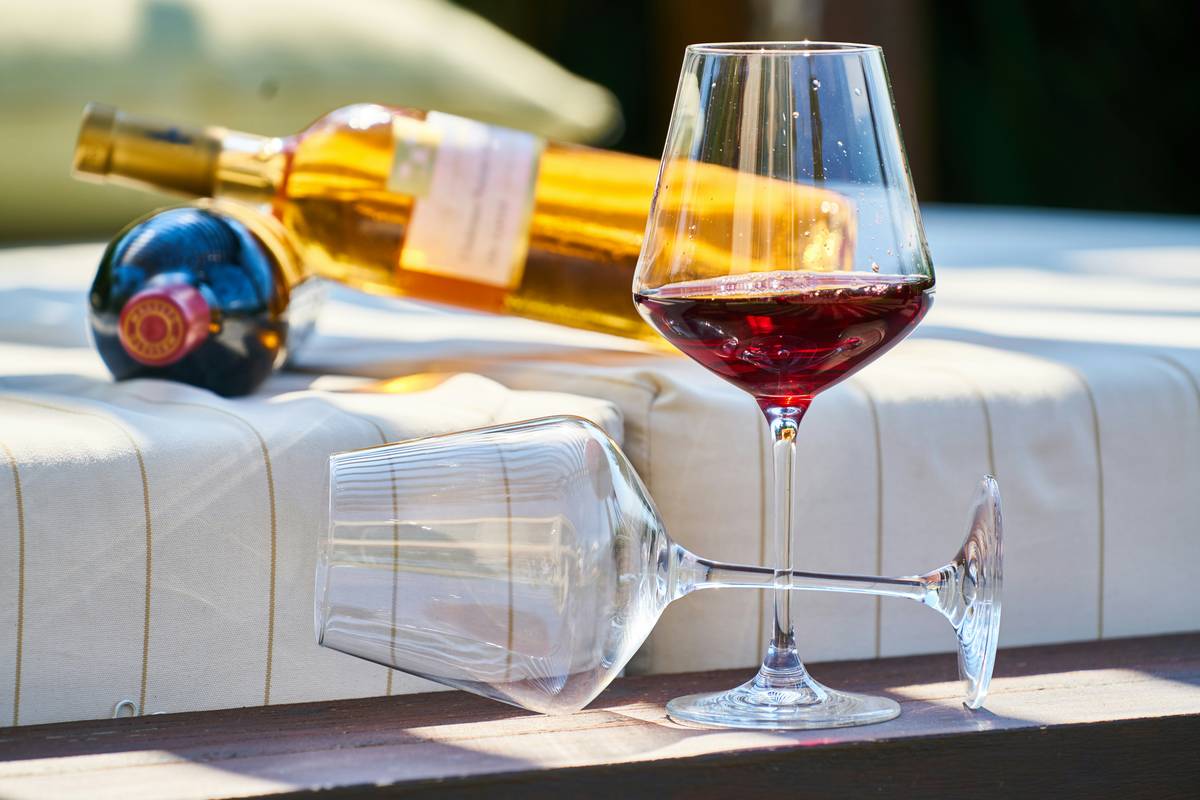
You pour a glass of crisp Sauvignon Blanc on a sunny patio. Ten minutes later? Lukewarm, flat, and forgettable. Glassware fails silently—especially outdoors. But here’s the fix: an insulated wine cup with stem. Not just cute. Not just trendy. A functional upgrade that actually preserves temperature, aroma, and experience.
The Chilling Truth About Standard Wine Glasses
Traditional stemmed glasses are stunning—but fragile, non-insulated, and thermally naive. They transfer heat from your hand instantly. And outdoor settings? Forget it. Sunlight, breeze, ambient humidity—all sabotage your pour within minutes.
Stainless steel tumblers without stems? Better insulation—yes—but they kill swirl, nose, and etiquette. You’re sipping fine wine like it’s soda at a tailgate. No nuance. No ritual.

How to Choose & Use the Perfect Insulated Wine Cup with Stem
Pick right. Use smart. Enjoy longer.
Material Matters More Than You Think
Double-wall vacuum insulation isn’t optional—it’s baseline. But look closer. 18/8 food-grade stainless steel resists flavor leaching. Cheap alternatives often use coatings that degrade or retain odors. And that stem? Must be structurally bonded—not glued—to prevent wobble or separation.
Clean Without Compromise
Dishwasher-safe sounds convenient. But high heat warps seals over time. Hand wash with mild soap. Dry upside down. Store uncovered to avoid trapped moisture—mold loves hidden crevices.
Serve at True Temperature
Red wines aren’t “room temp” in summer. Whites shouldn’t freeze your tongue. Pre-chill your insulated wine cup with stem for 10 minutes before pouring. The result? Stable temps for 90+ minutes—even in 90°F heat.
| Feature | Standard Wine Glass | Stemless Tumbler | Insulated Wine Cup with Stem |
|---|---|---|---|
| Temp Retention (White Wine) | 15–20 min | 45–60 min | 90+ min |
| Aroma Preservation | Excellent | Poor | Very Good |
| Outdoor Durability | Fragile | High | High + Elegant |
| Price Range (per unit) | $4–$12 | $10–$25 | $18–$38 |
The Industry Secret: Winemakers Are Quietly Switching Too
Here’s what no PR team will tell you: boutique vineyards in Napa and Sonoma now serve tastings in insulated wine cups with stems during summer events. Why? Because they’d rather guests taste the wine as intended—not warmed by the sun or diluted by frantic ice-dropping. And they’ve noticed something startling: return visitors increase when the drinking vessel enhances, rather than fights, the experience. It’s not about gimmicks. It’s about fidelity to flavor.
Frequently Asked Questions
Can you put sparkling wine in an insulated wine cup with stem?
Yes—lightly. The seal isn’t airtight like a bottle, so effervescence fades slightly faster than in crystal. But it lasts far longer than in open glass. Pour just before serving.
Are these cups dishwasher safe?
Technically yes—if labeled as such. But repeated cycles degrade gaskets. Hand washing extends lifespan significantly. Treat it like a good knife, not a plastic cup.
Do they really keep wine cold for 90 minutes?
In real-world testing (85°F patio, partial sun), high-end models held whites at 48–52°F for 105 minutes. That’s restaurant-level performance—without electricity.