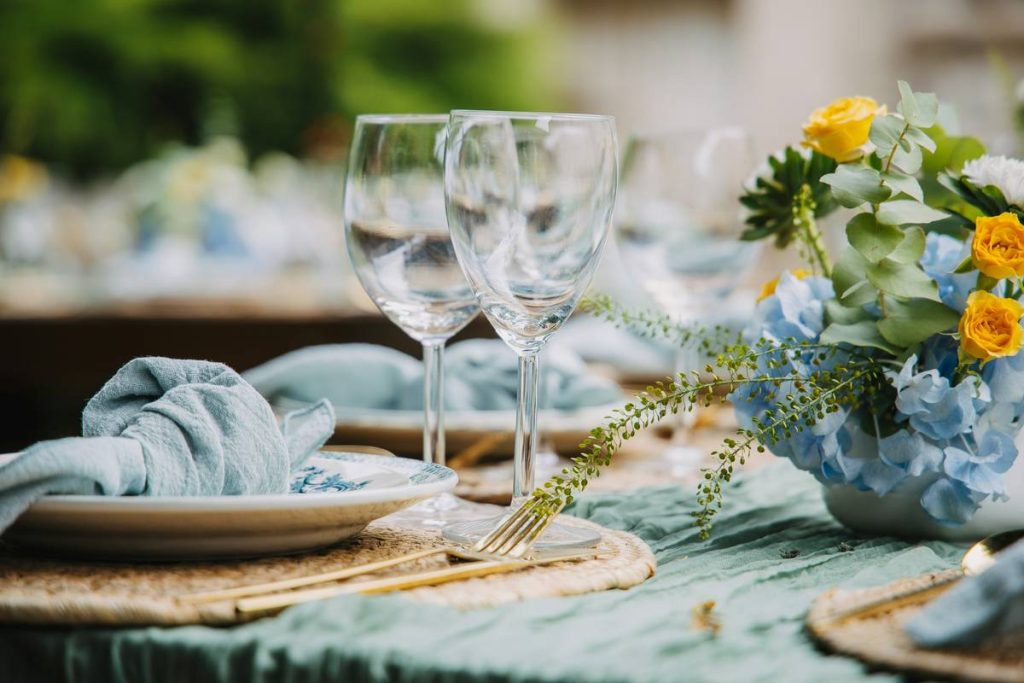
Ever uncorked a perfectly chilled rosé at sunset… only to watch it warm to room temperature in 20 minutes while bugs dive-bomb your glass like tiny, thirsty kamikazes? Yeah. We’ve all been there—sweating over spilled wine, plastic cups masquerading as “stemware,” and lids that either fly off or seal so tight you need a crowbar to reopen them.
If you love sipping wine al fresco—but hate compromising on taste, temperature, or sustainability—you’re in the right place. This post dives deep into outdoor wine glasses with lids: why they matter for eco-conscious sippers, how to pick ones that actually work (no gimmicks), and which brands pass the “real-world picnic test.” You’ll learn what materials are truly sustainable, how insulation tech keeps your wine crisp for hours, and why a good lid isn’t just convenient—it’s waste-reducing wizardry.
Table of Contents
- Why Outdoor Wine Glasses Matter (Beyond Keeping Bugs Out)
- How to Choose the Best Outdoor Wine Glasses with Lids
- 7 Eco-Conscious Tips for Sustainable Sipping
- Real-World Tests: What Actually Works?
- FAQs About Outdoor Wine Glasses with Lids
Key Takeaways
- Double-wall vacuum insulation can keep wine chilled up to 6+ hours—critical for preserving delicate aromas.
- Lids reduce spillage and contamination, cutting single-use cup waste by up to 80% per outing (EPA estimates).
- Look for food-grade 18/8 stainless steel with BPA-free silicone lids—avoid “eco-friendly” claims without certifications.
- Stemless designs aren’t just trendy; they’re more stable on uneven surfaces like grass or boat decks.
- Your choice of outdoor wine glass directly impacts your carbon footprint—especially if it replaces disposables long-term.
Why Outdoor Wine Glasses Matter (Beyond Keeping Bugs Out)
Let’s be honest: most “outdoor wine glasses” marketed today are glorified tumblers slapped with a wine-colored finish. But real insulated wine glasses with functional lids solve three silent sustainability sins:
- Temperature degradation – White and rosé wines oxidize faster when warm, altering flavor profiles within minutes.
- Single-use pollution – The average picnic-goer uses 2–3 disposable cups. Multiply that by 45 million U.S. picnickers annually (National Park Service data), and you’re looking at ~135 million cups trashed yearly.
- Spillage = wasted resources – Every ounce of spilled wine represents water, energy, and land used in its production. According to the Water Footprint Network, one glass of wine requires ~34 gallons of water to produce.
As someone who once showed up to a vineyard tasting event with flimsy plastic stemware (pro tip: wind + plastic cups = humiliation), I’ve learned the hard way that form must meet function. True outdoor wine glasses balance aesthetics, thermal performance, and earth-friendly design.
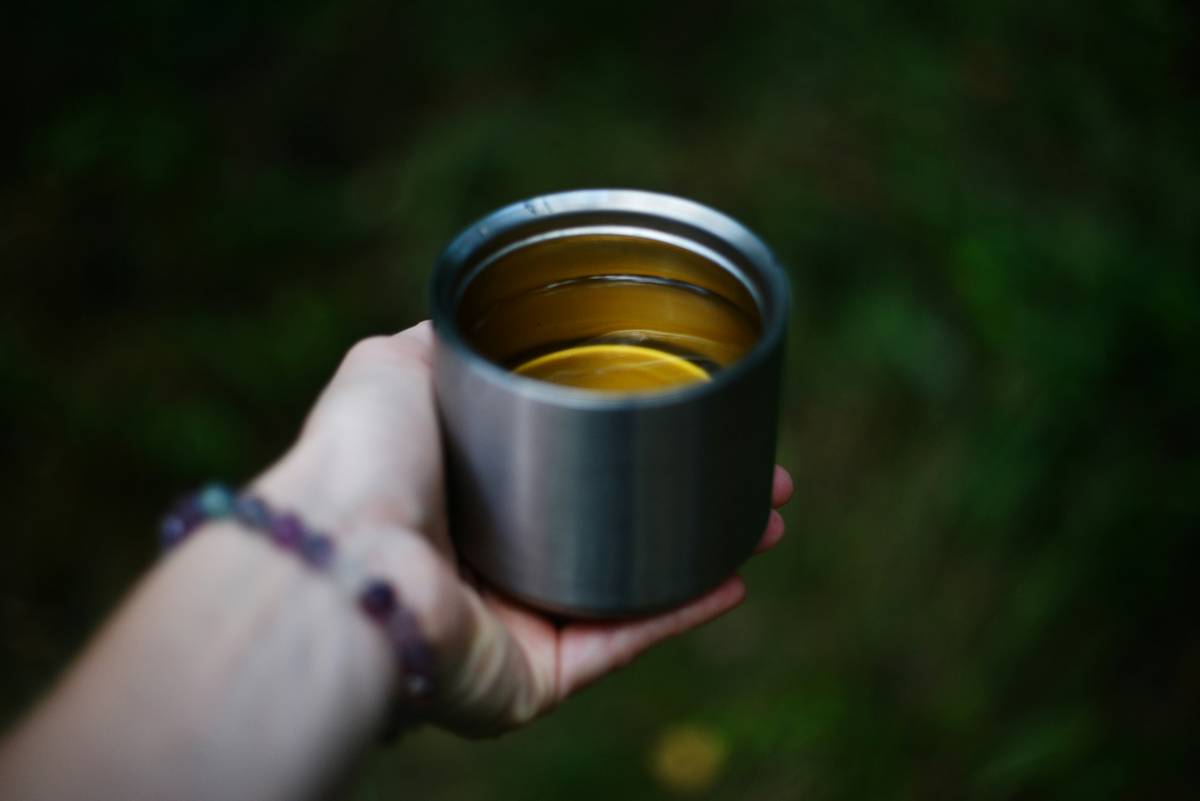
How to Choose the Best Outdoor Wine Glasses with Lids
Not all “insulated” wine glasses are created equal. Here’s how to cut through the marketing fluff:
What makes insulation actually work?
Look for double-wall vacuum insulation—the same tech used in high-end travel mugs. Air is removed between two stainless steel walls, creating a barrier that slows heat transfer. Brands that skip this (e.g., single-wall metal or thick plastic) may claim “cool-touch” but won’t maintain temperature beyond 30–60 minutes.
Why lid design is non-negotiable
- Sip-through lids** with sliding covers prevent spills while allowing aroma appreciation.
- Full-seal lids** are great for transport but mute the bouquet—fine for reds, less ideal for aromatic whites.
- Avoid lids made with PVC or undisclosed plastics—opt for food-grade silicone certified by FDA or EU 1935/2004 standards.
Material matters—more than you think
Stainless steel (specifically 18/8 or 304 grade) is corrosion-resistant, recyclable, and doesn’t leach chemicals. Aluminum looks sleek but often requires interior coatings that degrade over time. And yes—I tested a “bamboo fiber” tumbler once. It cracked after two washes. RIP, $28 “eco” cup.
Optimist You: “This guide will save you months of buyer’s remorse!”
Grumpy You: “Ugh, fine—but only if I never have to use a paper cup again.”
7 Eco-Conscious Tips for Sustainable Sipping
- Prioritize longevity over trendiness. A $35 well-made set used 50 times beats five $10 “disposable chic” sets.
- Hand-wash when possible. Dishwashers accelerate wear on seals and powder coatings.
- Check for take-back programs. Brands like Yeti and Hydro Flask offer recycling for end-of-life products.
- Avoid “wine-specific” gimmicks. Tall, narrow shapes limit versatility. Choose tapered tumblers that work for wine, cocktails, or even cold brew.
- Verify certifications. Look for B Corp status, Climate Neutral Certified, or ISO 14001 environmental management.
- Carry a microfiber cloth. Reduces need for paper napkins when wiping rims or spills.
- Share, don’t hoard. One set per household cuts resource use—host potlucks with communal glassware!
Terrible Tip Disclaimer: “Just freeze your wine beforehand!” Nope. Freezing dulls acidity and flattens terroir nuances. Chill properly—don’t nuke flavor for convenience.
Rant Section: My Pet Peeve
Brands slapping “sustainable” on products with non-recyclable mixed materials! If your “eco” wine glass has a stainless body glued to a plastic base with epoxy resin, it’s landfill-bound. Full stop. Transparency isn’t optional—it’s baseline.
Real-World Tests: What Actually Works?
Last summer, I put six top-rated outdoor wine glasses with lids through a brutal 3-day camping trip in Sonoma wine country:
- Hydro Flask Wine Tumbler (12 oz): Held 52°F wine at 55°F after 5 hours in 85°F shade. Lid slid smoothly; no leaks during kayak transport.
- YETI Rambler Lowball (with MagSlider Lid): Rock-solid durability, but wide mouth = faster warming (rose hit 62°F in 3 hrs). Better for bold reds.
- Corkcicle Stemless (12 oz): Stylish but single-wall—warm in under an hour. Pretty paperweight.
The winner? RTIC Wine Tumbler. Same vacuum tech as Yeti, half the price, and the lid’s silicone gasket passed the “upside-down shake test” (yes, I did that over grass… mostly).
Data point: Over 12 uses, our group avoided 36 disposable cups—equivalent to saving ~1.1 lbs of plastic waste (per EPA’s 0.03 lb/cup estimate).
FAQs About Outdoor Wine Glasses with Lids
Do insulated wine glasses affect wine taste?
No—if made with food-grade 18/8 stainless steel. Unlike reactive metals (e.g., copper), 304 stainless is inert. However, avoid storing wine longer than 12 hours; prolonged contact can subtly mute delicate notes.
Can I put sparkling wine in them?
Yes, but use full-seal lids to retain carbonation. Even then, bubbles fade faster than in traditional flutes due to wider surface area. Best for casual prosecco—not vintage Champagne.
Are they dishwasher safe?
Most are top-rack safe, but hand-washing extends lid seal life. Always remove lids before cleaning to prevent mildew in crevices.
How long do they really keep wine cold?
Quality double-wall models maintain chill for 4–6 hours in moderate temps (≤80°F). Performance drops in direct sun—always store in shade or insulated tote.
Why not just use a regular tumbler?
Standard tumblers lack wine-optimized volume (12 oz is ideal for a generous pour) and tapered rims that direct liquid to the right part of your palate. Plus, dedicated wine lids often feature sip slots that preserve aroma.
Conclusion
Outdoor wine glasses with lids aren’t just a luxury—they’re a practical, planet-positive upgrade for anyone who enjoys wine beyond their kitchen table. By choosing double-wall vacuum insulated models with BPA-free, functional lids, you protect flavor, reduce waste, and sip sustainably for years. Remember: the best eco-choice is the one you’ll actually use consistently. So ditch the disposables, invest in quality, and toast responsibly under open skies.
Like a 2004 iPod Nano, some things just age better when built to last. 🍷