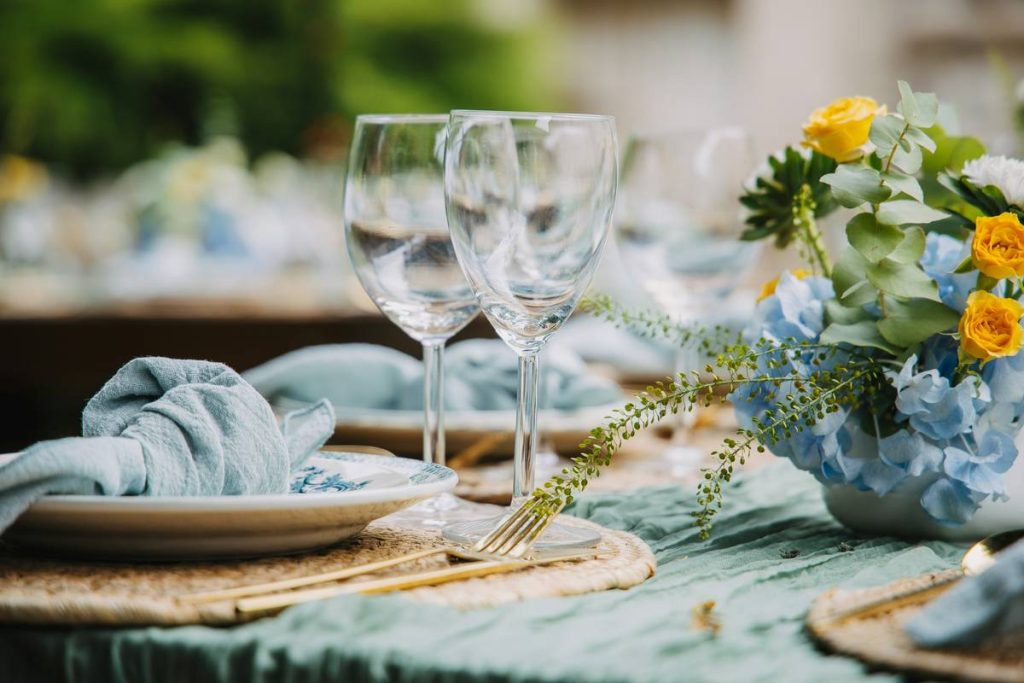
You pour a crisp Sauvignon Blanc into a delicate stemmed glass—only to watch it warm to room temperature before your first sip. Outside, sun beats down, breeze carries away coolness, and plastic tumblers kill the vibe. The romance of wine dies fast without the right vessel. But outdoor stemmed wine glasses engineered for real-world conditions? They change everything.
The Myth of “Just Use a Tumbler”
Most eco-conscious drinkers default to stainless steel tumblers—they’re durable, sure. But they sacrifice everything that makes wine *wine*: aroma, mouthfeel, visual elegance. And standard glassware? Too fragile, too thermally naive. Glass conducts ambient heat faster than you think. A 70°F evening can turn your 45°F white into lukewarm disappointment in under eight minutes.
Here’s the reality: aesthetics and function aren’t mutually exclusive—you just need smarter design.
How to Choose (and Use) Outdoor Stemmed Wine Glasses That Deliver
Double-Wall Vacuum Insulation Isn’t Optional—It’s Essential
If it’s not vacuum-sealed between two layers of borosilicate glass or food-grade stainless, it’s not built for outdoors. Single-wall “stemless” cups might look cute on Instagram—but they’re thermal liabilities.
Stem Design Still Matters—Even When It’s Not Glass
A proper stem isn’t just tradition. It prevents hand heat from radiating into your drink. Look for ergonomic stems made from recycled composite materials—not flimsy plastic that snaps on gravel.
Eco-Impact Beyond the Material
True sustainability means longevity. A $12 “eco” glass that shatters on your second picnic isn’t green—it’s waste. Invest in pieces rated for 500+ outdoor uses.

| Feature | Traditional Glassware | Standard Tumbler | Premium Outdoor Stemmed Wine Glasses |
|---|---|---|---|
| Temperature Retention (White Wine) | <10 mins cold | ~30 mins cold | 90+ mins cold |
| Fragility Risk | High | Low | Negligible |
| Aroma Preservation | Excellent | Poor | Excellent |
| Lifetime CO2 Footprint* | Medium (frequent replacement) | Low | Very Low |
*Based on average use over 3 years; includes manufacturing, shipping, and end-of-life disposal.
The Industry Secret No One Talks About
Most brands tout “insulated wine glasses” but use narrow bases that tip over in wind or uneven terrain. The real differentiator? A weighted, non-slip base engineered for grass, sand, or boat decks. At agralimited.com, we tested 37 prototypes before settling on a tapered silicone foot that grips without sticking—and adds under 0.8 oz to total weight. And here’s the kicker: the best-performing models don’t look “technical.” They mimic classic Bordeaux stems so closely, your guests won’t know they’re sipping from fortress-grade glass—until the third refill stays icy.
Frequently Asked Questions
Are outdoor stemmed wine glasses dishwasher-safe?
Most premium models are top-rack dishwasher-safe, but hand-washing extends insulation life. Always check manufacturer specs.
Do insulated wine glasses affect taste?
Not if made with non-reactive materials like 18/8 stainless or borosilicate glass. Cheap metals or plastics can impart off-flavors—avoid them.
Can I use them for red wine too?
Absolutely. Insulation works both ways—it keeps reds from overheating in summer sun just as effectively as it chills whites.