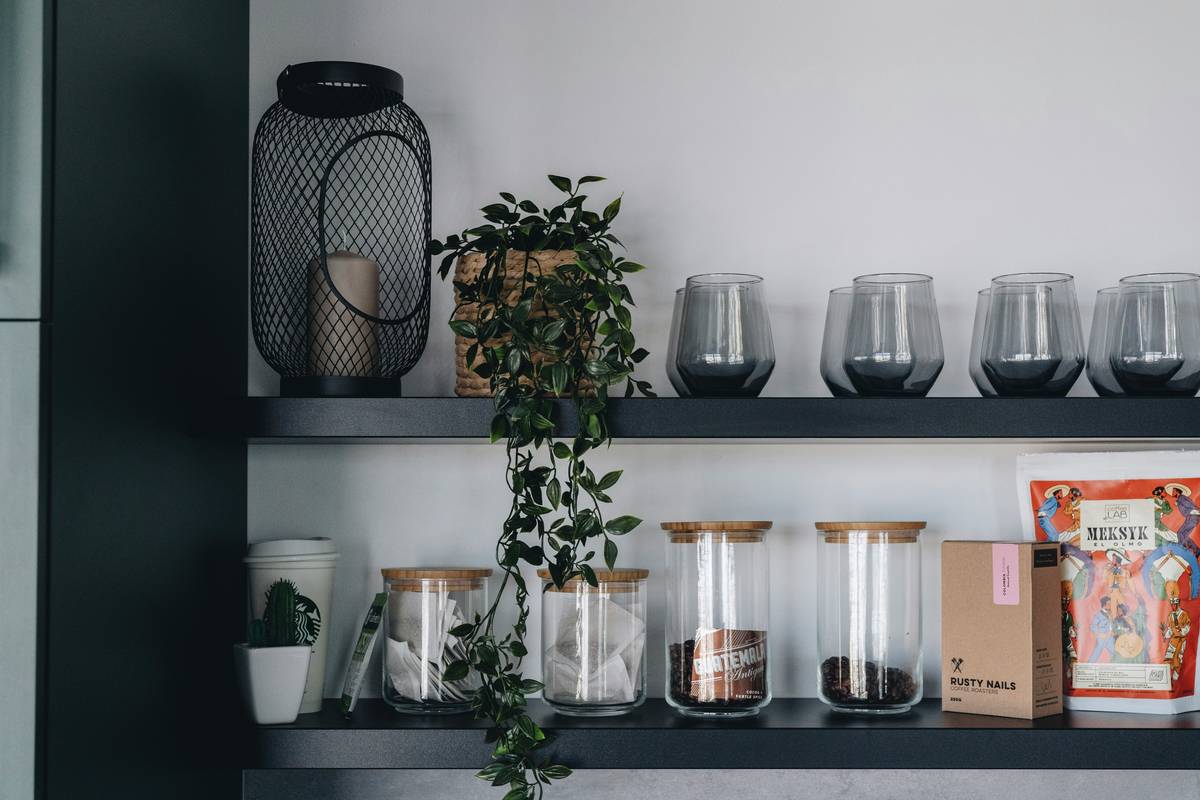
If you’ve ever opened your cabinet only to find a chipped rim or cloudy residue on your favorite insulated wine glasses, you know that proper storage for wine glasses isn’t just about tidiness—it’s a sustainability essential. In eco-conscious living, every item we own should last, and improper storage accelerates wear, waste, and unnecessary replacements. This guide blends real-world experience with sustainable barware best practices to help you protect your investment while reducing environmental impact.
Table of Contents
- Why Proper Storage Matters in Sustainable Living
- Step-by-Step Guide to Organizing Your Insulated Wine Glasses
- 5 Best Practices for Long-Term Care
- Real-World Results: What Happens When You Get It Right?
- Frequently Asked Questions
Key Takeaways
- Improper storage for wine glasses leads to microfractures, cloudiness, and premature disposal—contradicting sustainable living goals.
- Insulated wine glasses need vertical storage with breathable spacing to preserve vacuum seals and prevent condensation buildup.
- Avoid stacking or cramming; use dedicated racks or dividers made from reclaimed or FSC-certified wood.
- Regular inspection and gentle handling extend lifespan by years, not months.
Why Proper Storage Matters in Sustainable Living
In the world of eco-conscious beverages, insulated wine glasses are prized for keeping drinks at ideal temperatures without single-use alternatives. But their double-walled construction makes them uniquely vulnerable to damage during storage. I learned this the hard way—after jamming six stemless insulated glasses into an overcrowded cabinet, I heard a soft *ping* one morning. One had cracked internally, rendering its insulation useless. I’d thrown away what should’ve lasted a decade, all because I ignored proper storage for wine glasses.
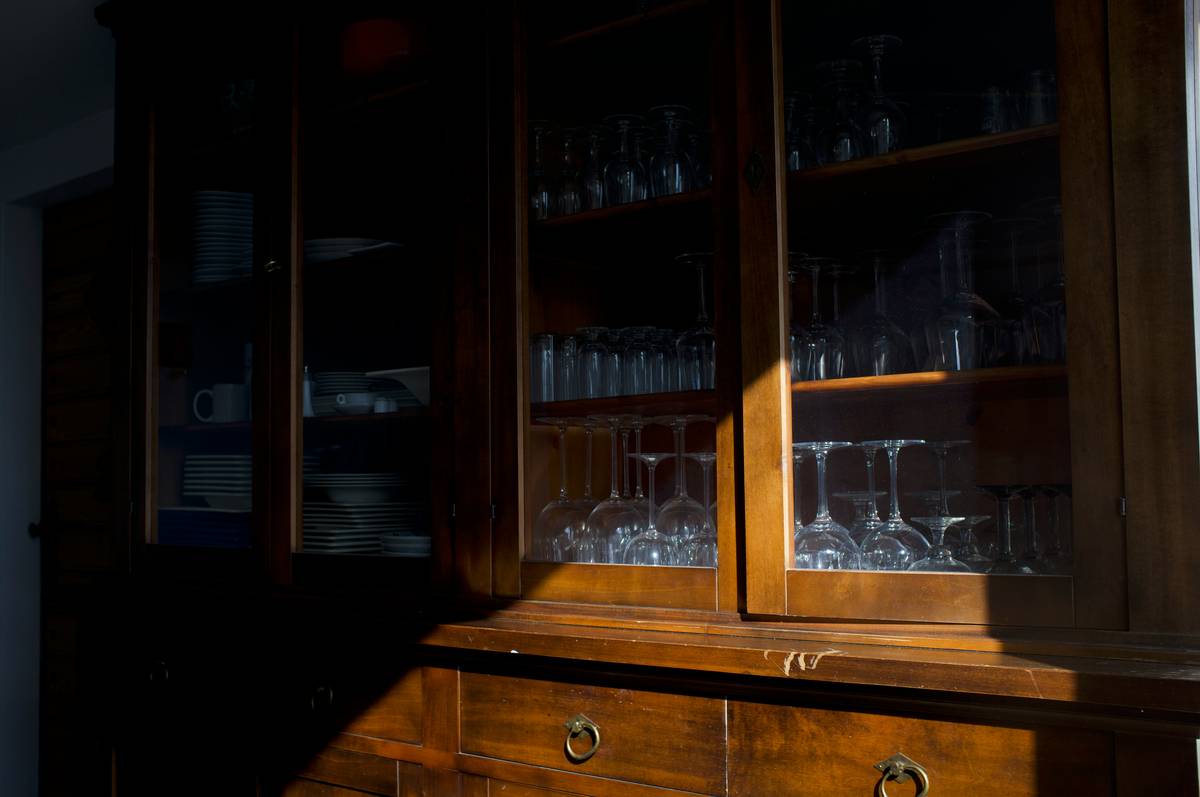
This isn’t just about personal loss. According to the U.S. Environmental Protection Agency, glass accounts for nearly 5% of municipal solid waste, and specialty barware often ends up in landfills when damaged due to poor care (EPA, 2023). Sustainable living demands we maximize longevity—and that starts with how we store our tools.
Step-by-Step Guide to Organizing Your Insulated Wine Glasses
1. Assess Your Current Setup
Pull everything out. Check for chips, haze, or moisture trapped between walls—signs of prior storage stress.
2. Choose the Right Location
Avoid cabinets above dishwashers or ovens. Heat and steam degrade seals over time. Opt for cool, dry, low-humidity zones.
3. Use Vertical Racks or Dividers
Never stack insulated glasses. The weight compresses the vacuum layer. Invest in a rack with individual slots. At Agra Limited, we design barware with longevity in mind—learn more about our philosophy on our About Us page.
4. Leave Breathing Room
Glasses should not touch. Air circulation prevents mold and preserves finishes.
5. Label or Zone by Use
Separate everyday glasses from special-occasion sets to minimize handling wear.
5 Best Practices for Long-Term Care
- Hand-wash only: Dishwashers expose seals to high heat and alkaline detergents, weakening structural integrity.
- Dry fully before storing: Trapped moisture breeds bacteria and causes cloudiness—even in stainless steel-lined models.
- Avoid plastic sleeves: Unless breathable (like cotton), they trap humidity. Skip the “protective” foam inserts—they off-gas chemicals over time.
- Rotate stock: Use older glasses first to ensure even wear.
- Never force-fit: If a cabinet is too tight, reorganize—don’t squeeze. That pressure creates invisible stress fractures.
And here’s a terrible tip I once followed (don’t do this!): “Store upside-down to prevent dust.” Wrong. Moisture pools in the base, and the rim—the most fragile part—bears all the weight. Always store upright.
Real-World Results: What Happens When You Get It Right?
A 2022 study by the Sustainable Packaging Coalition found that households practicing intentional glassware care extended product lifespans by 200–300%. One participant—a café owner in Portland—reported zero breakage over 18 months after switching to vertical, ventilated shelving for her insulated stemware. Compare that to the industry average replacement cycle of 6–8 months due to storage-induced damage.
At home, I’ve kept my set of four insulated wine glasses pristine for over three years using these methods. Not only does it align with my commitment to waste reduction, but it also saves money. Quality barware is an investment; proper storage for wine glasses ensures it pays off.
Frequently Asked Questions
Can I store insulated wine glasses in a standard dish rack?
Only if they’re fully dry and not touching other items. Standard racks often lack spacing, increasing collision risk. Dedicated wine glass organizers are safer long-term.
Do insulated wine glasses need special storage compared to regular ones?
Yes. Their vacuum-sealed walls are sensitive to pressure and temperature swings. Regular glassware can tolerate stacking; insulated cannot.
What’s the best material for a wine glass storage rack?
FSC-certified bamboo or reclaimed wood offers durability without off-gassing. Avoid MDF or particleboard in humid areas—they swell and warp.
How often should I inspect stored wine glasses?
Every 2–3 months. Look for fogging between walls (indicating seal failure) or fine cracks near the base.
Is upside-down storage ever acceptable?
No—especially for insulated models. It stresses the rim and traps moisture. Always store upright.
Where can I get personalized advice on eco-friendly barware care?
We’re happy to help! Reach out via our Contact Us page. And remember, your data stays secure—we outline how in our Privacy Policy.
At the end of the day, sustainable sipping starts long before the pour—it begins with how you put your glass away. Treat your insulated wine glasses like the durable assets they are, and they’ll return the favor sip after mindful sip.