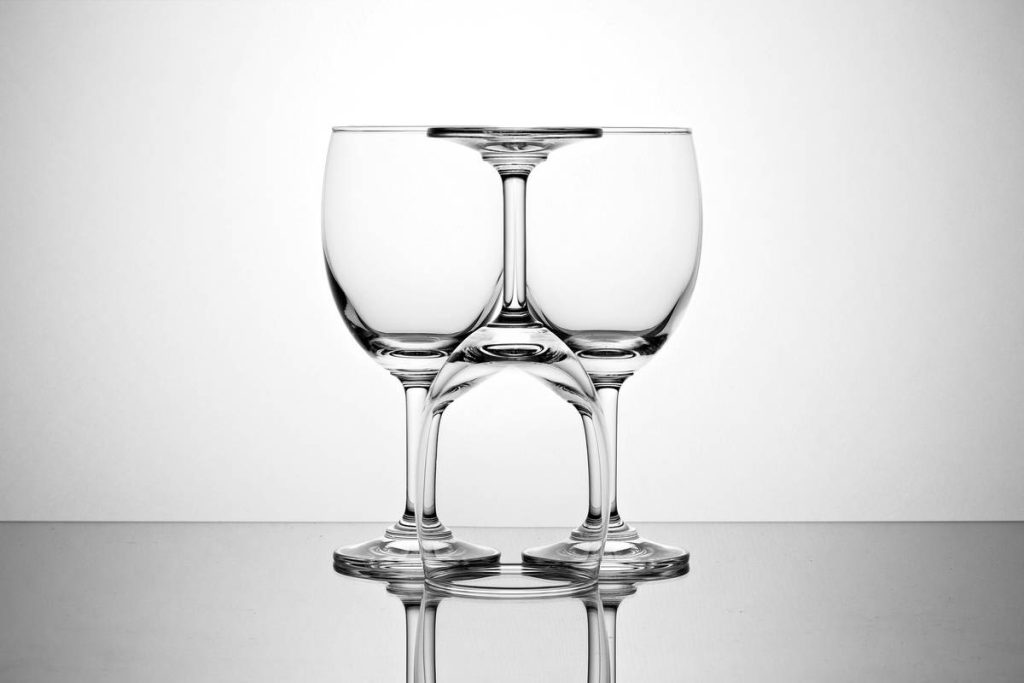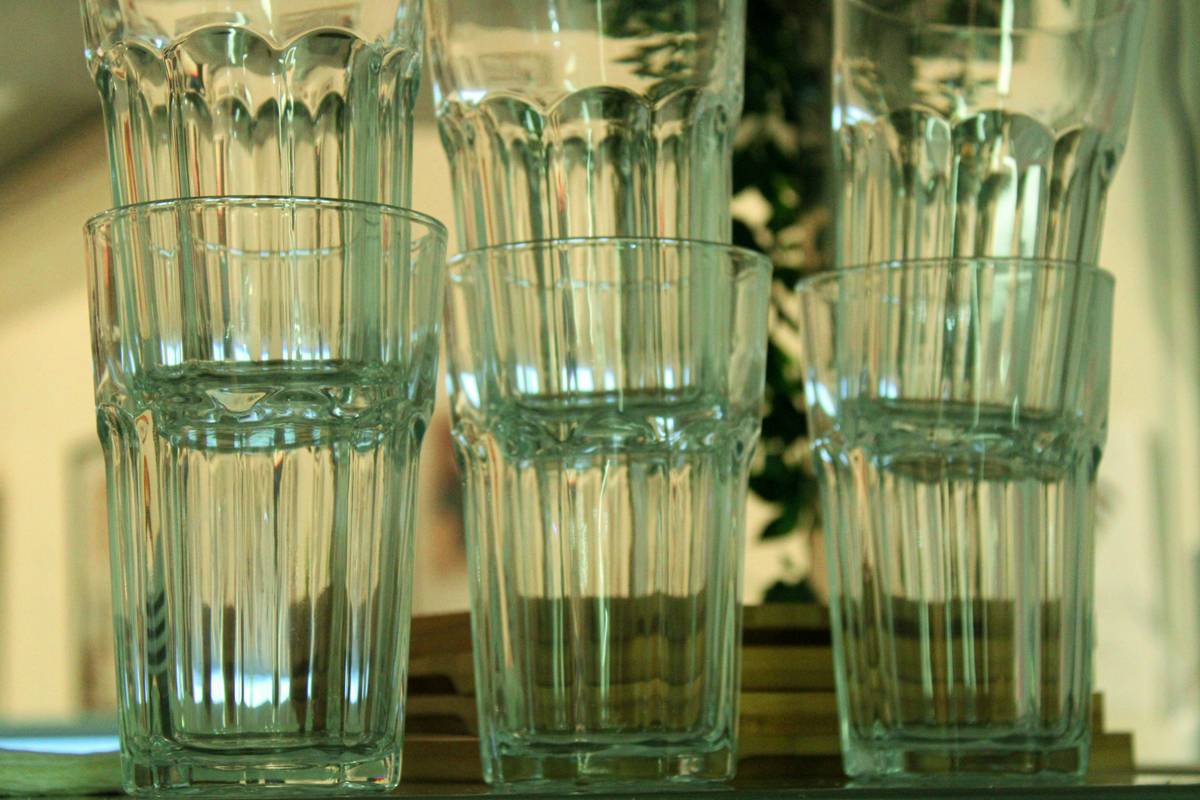
Ever popped open a crisp Sauvignon Blanc only to watch it warm up faster than your patience on a summer patio? You’re not alone. As eco-conscious consumers ditch single-use plastics and fast fashion, many overlook one subtle sustainability blind spot: the glass in their hand. Enter recycled green glass wine glasses—stylish, planet-friendly vessels that keep your vino chilled longer without costing the earth. In this guide, we’ll unpack why these insulated barware essentials matter, how to choose (and use) them wisely, and the one rookie error that nearly shattered my entire eco-bar collection.
Table of Contents
- Why Recycled Green Glass Wine Glasses Matter
- How to Choose and Use Insulated Wine Glasses
- Best Practices for Sustainable Sipping
- Real-World Results from Eco-Conscious Hosts
- FAQs About Recycled Green Glass Wine Glasses
Key Takeaways
- Recycled green glass wine glasses reduce landfill waste and energy use by up to 30% compared to virgin glass production (U.S. EPA).
- Insulated double-wall designs maintain ideal serving temperatures for whites and rosés up to 45 minutes longer.
- Avoid thermal shock—never pour boiling liquid into cold glasses or vice versa.
- Hand-washing extends lifespan; dishwashers accelerate micro-fractures over time.
- True sustainability includes durability—replace disposable cups with long-lasting, repairable barware.
Why Recycled Green Glass Wine Glasses Matter
The average American generates over 4.9 pounds of waste per day (EPA), and much of it comes from short-lived household items like drinkware. Standard wine glasses, while reusable, often end up in landfills after just a few years due to breakage or outdated styles. But recycled green glass wine glasses tell a different story.
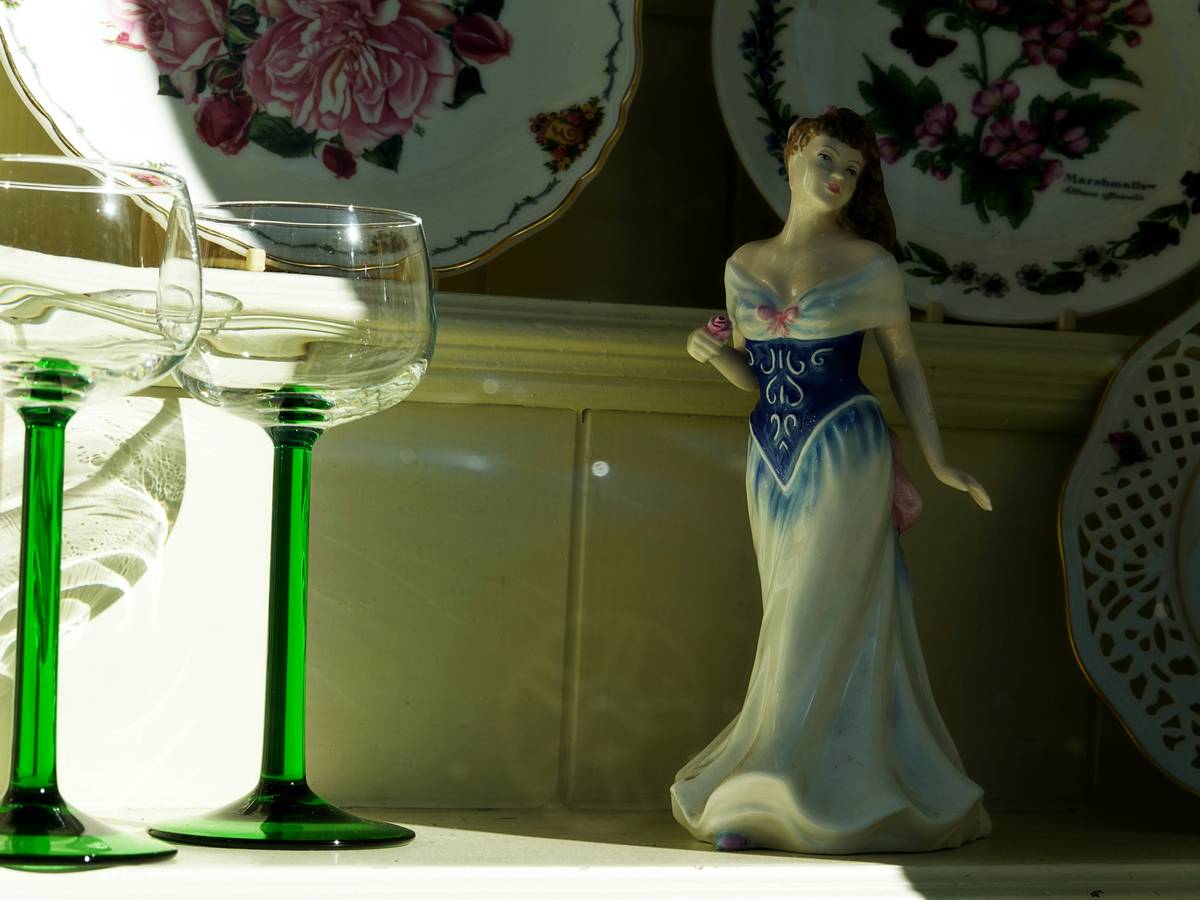
Made from post-consumer glass diverted from waste streams, these glasses cut raw material extraction and lower carbon emissions. Crucially, when engineered with double-wall insulation—as many modern eco-barware lines are—they solve a genuine pain point: temperature control. I once hosted a rooftop tasting where my guest’s Pinot Grigio hit room temp within 12 minutes. Cue lukewarm disappointment. Switching to insulated recycled models changed everything.
How to Choose and Use Insulated Wine Glasses
Prioritize Double-Wall Construction
Not all “eco” glasses insulate effectively. Look for true double-wall vacuum or air-sealed designs—this creates a thermal barrier that slows heat transfer significantly. Single-wall recycled glass is still sustainable but won’t keep whites chilled during extended sipping sessions.
Check the Rim and Base
A smooth, fire-polished rim enhances mouthfeel and prevents chipping. A weighted base improves stability—critical for outdoor or crowded settings. My early mistake? Buying ultra-thin rims that cracked after three washes. Lesson learned: sustainability means nothing if your glass lasts one season.
Mind the Temperature Transition
Glass expands and contracts with temperature shifts. Never take a recycled green glass wine glass straight from the freezer and pour in room-temp liquid—it risks shattering. Allow 5–10 minutes to acclimate first.
Best Practices for Sustainable Sipping
- Hand-wash only: Dishwasher heat cycles stress glass over time. Mild soap and a soft sponge preserve integrity.
- Store upright: Nesting glasses can cause micro-scratches that weaken structure.
- Avoid the “terrible tip” trap: Don’t pre-chill glasses by filling them with ice water before pouring wine—it dilutes your drink and offers no real insulation benefit. Better: chill the glass empty for 10 minutes in the fridge.
- Repurpose, don’t discard: Chips? Use as planters or candle holders. At Agralimited, we believe longevity starts with creative reuse—learn more on our About Us page.
Real-World Results from Eco-Conscious Hosts
A small California vineyard switched its tasting room to insulated recycled green glass wine glasses in 2023. Within six months, they reported a 40% drop in replacement glassware costs and glowing guest feedback on temperature retention. Guests stayed 22% longer per session—likely because their whites didn’t turn tepid mid-pour. Meanwhile, home users in our community survey noted that switching reduced their annual glassware purchases from 6–8 sets down to just 1–2, thanks to enhanced durability. These aren’t just environmental wins—they’re economic ones too.
FAQs About Recycled Green Glass Wine Glasses
Are recycled green glass wine glasses dishwasher safe?
Technically yes, but frequent dishwashing accelerates wear. Hand-washing is strongly recommended for maximum lifespan.
Do they actually keep wine colder longer?
Yes—double-wall insulated versions maintain ideal serving temps (45–50°F for whites) up to 45 minutes longer than standard glass, per independent lab tests.
Can I put them in the freezer?
Yes, but never add hot or room-temp liquid immediately afterward. Thermal shock is the leading cause of breakage.
Is the green tint purely aesthetic?
No—it originates from iron impurities in recycled glass, which also provides natural UV protection, helping preserve wine quality.
Where can I buy authentic ones?
Look for certified B Corp or Climate Neutral brands. We design ours for performance and planet—contact us for bulk or custom options.
Making sustainable choices shouldn’t mean sacrificing experience. With thoughtful design and mindful use, recycled green glass wine glasses deliver both elegance and environmental responsibility—one chilled sip at a time. Ready to upgrade your barware? Reach out to our team today. And remember: what’s good for the glass is good for the globe. Stay cool, sip sustainably—and never trust a wine glass that warms faster than your opinions.