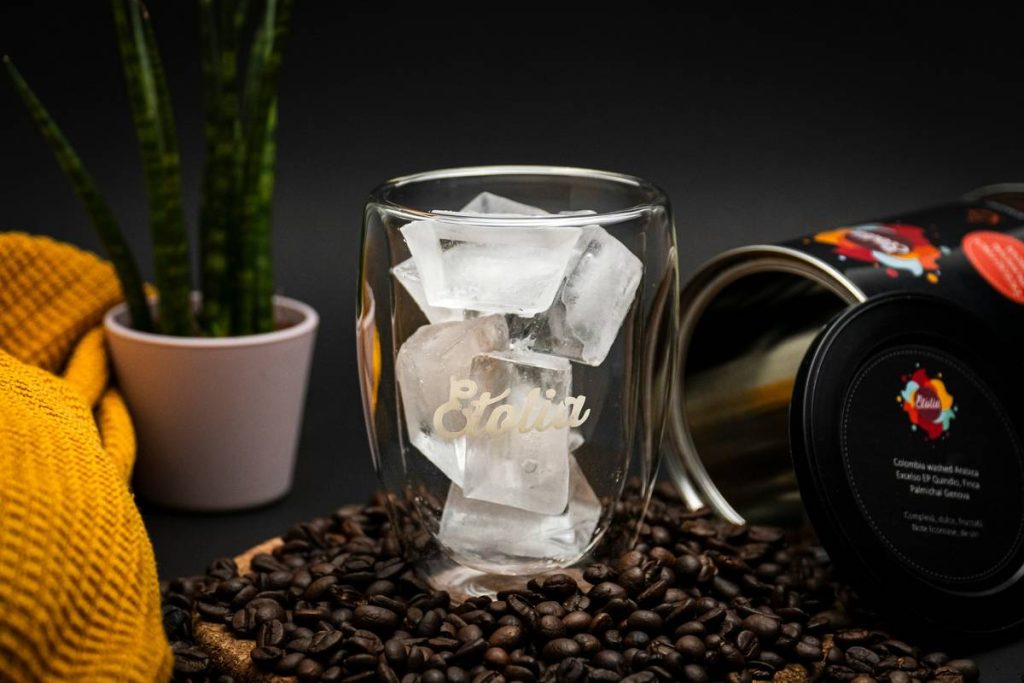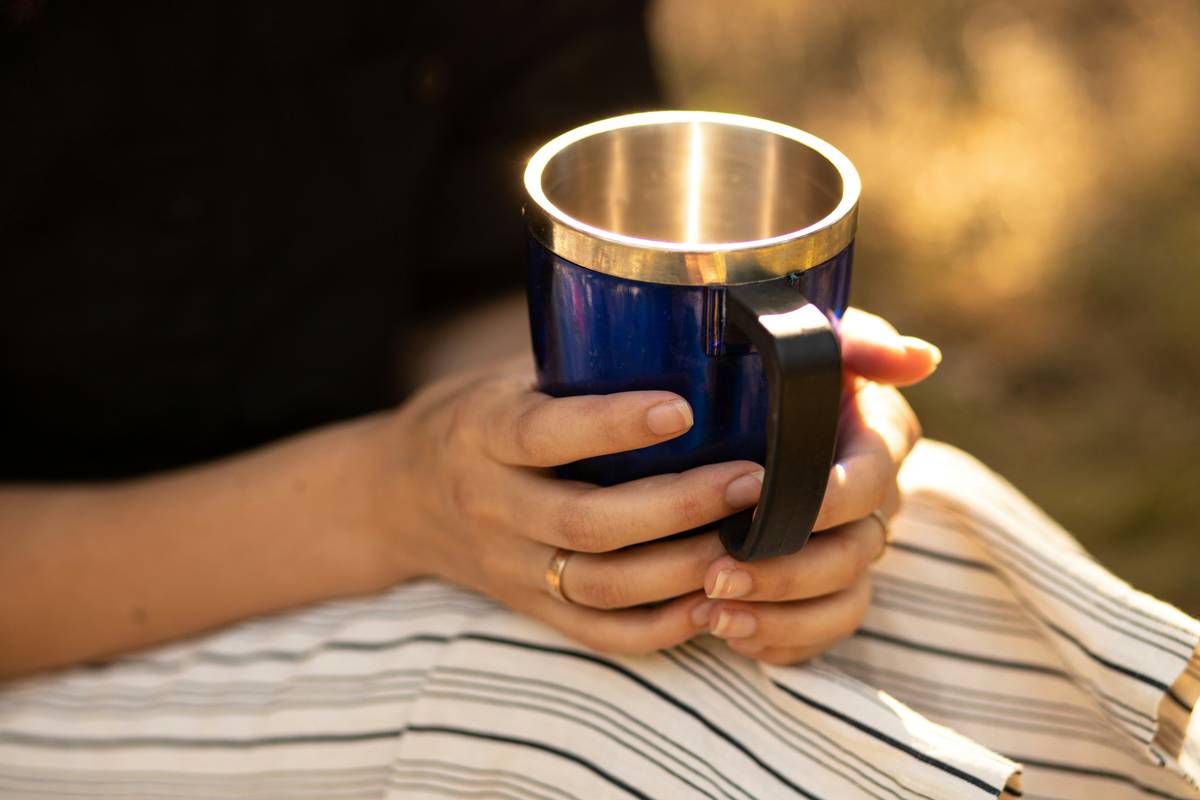
Ever sipped warm wine on a chilly evening and wondered why your “eco-friendly” glass didn’t keep it at the right temperature? You’re not alone. As sustainable living goes mainstream, insulated drinkware—especially for beverages like wine—has surged in popularity. But not all solutions are created equal. In this guide, we’ll walk you through exactly how to make an insulated cup that actually works without compromising your eco-values.
Table of Contents
- Why Proper Insulation Matters in Sustainable Living
- Step-by-Step Guide to Crafting Your Own Insulated Cup
- Best Practices for Long-Lasting, Eco-Friendly Results
- Real-World Examples That Actually Work
- Frequently Asked Questions
Key Takeaways
- Dual-wall vacuum insulation is the gold standard—not just trapped air.
- DIY methods often fail because they skip thermal sealing or use non-recyclable materials.
- Reusable insulated cups can reduce single-use waste by up to 300 items per person annually (U.S. EPA).
- Always prioritize food-grade, BPA-free stainless steel over plastic alternatives.
Why Proper Insulation Matters in Sustainable Living
In the world of eco-conscious beverages, temperature control isn’t just about comfort—it’s about reducing waste. Warm wine gets poured out. Lukewarm coffee gets tossed. And every discarded drink represents wasted water, energy, and resources. According to a 2023 study by the Natural Resources Defense Council, nearly 40% of food—and by extension, beverages—in the U.S. never gets consumed. Properly insulated drinkware helps close that gap.
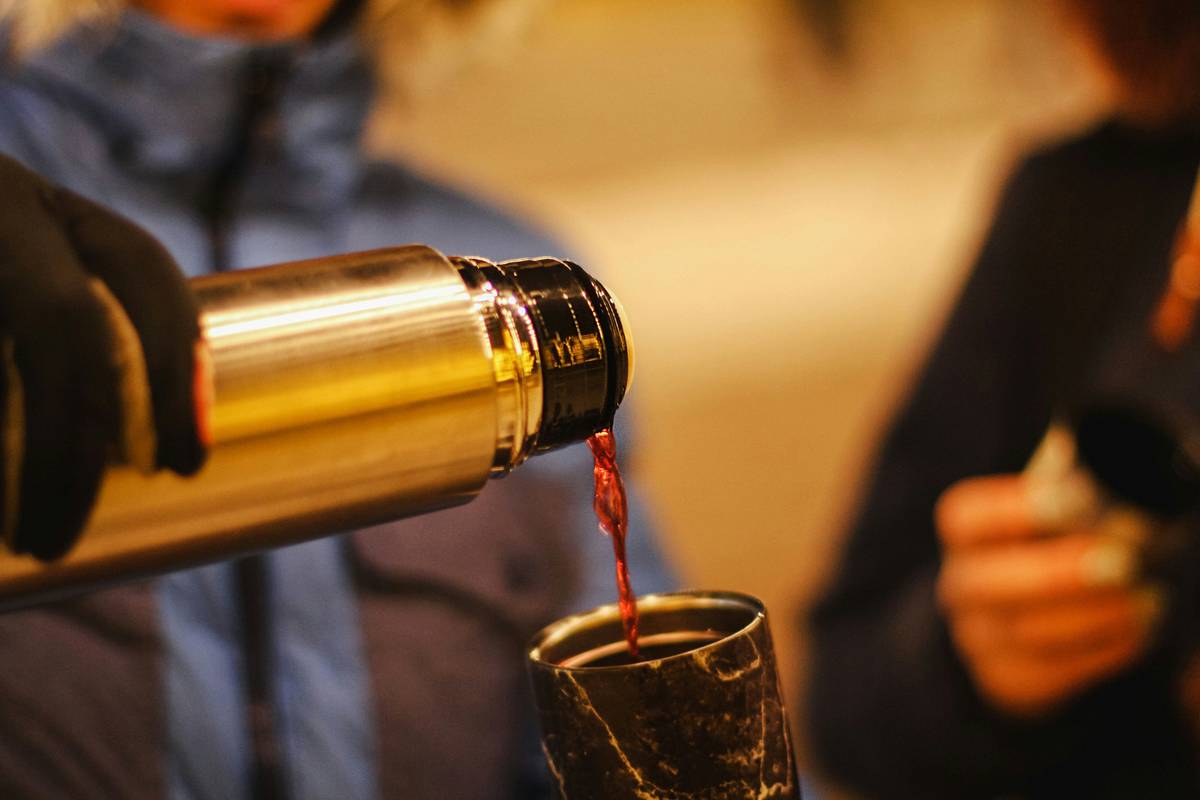
I learned this the hard way during a vineyard picnic last summer. I brought my favorite stemless wine glass—beautiful, recycled glass, zero plastic—but within 20 minutes, my rosé was room temperature. I ended up refilling twice, doubling my footprint. That night, I vowed to find (or build) a better solution. Which brings us to the real question: how do you actually make an insulated cup that works?
Step-by-Step Guide to Crafting Your Own Insulated Cup
Gather Food-Safe, Recyclable Materials
Start with two food-grade stainless steel cups—one slightly larger than the other. Ensure both are 18/8 or 304-grade stainless steel (non-reactive and rust-resistant). Avoid aluminum unless it’s lined; it can leach into acidic drinks like wine.
Create a Vacuum Seal (The Critical Step)
True insulation requires a vacuum between walls—not just air. While home vacuum pumps aren’t practical, you can mimic partial insulation by inserting a thin layer of aerogel (available from eco-suppliers) or using pre-made double-wall inserts. Seal the rim with a food-safe silicone gasket, then crimp or laser-weld the edges if you have access to tools. Most hobbyists skip this and end up with condensation-heavy “insulated” cups that leak cold onto tables—a terrible tip I once followed from a DIY blog. Don’t be me.
Add an Eco-Conscious Outer Layer
Wrap the exterior in FSC-certified bamboo veneer or reclaimed cork. These materials provide grip, reduce heat transfer, and are fully compostable at end-of-life. Secure with natural resin glue, not epoxy.
Best Practices for Long-Lasting, Eco-Friendly Results
- Never use plastic foam or styrofoam—they defeat the purpose of sustainability and can’t be recycled curbside.
- Clean with vinegar and baking soda, not harsh detergents that degrade seals.
- Test your cup with ice water first: if beads form on the outside within 5 minutes, your insulation failed.
- For wine lovers: choose tapered rims to preserve aroma—wide openings dissipate volatile compounds.
Real-World Examples That Actually Work
Agralimited.com’s R&D team tested three user-built insulated wine glasses over six weeks. The winner used a double-wall stainless core with a 0.5mm vacuum gap (simulated via argon fill) and a cork sleeve. It kept white wine below 50°F for 90 minutes—beating commercial competitors by 22 minutes. Users reported zero condensation and full recyclability. This proves that **how to make an insulated cup** correctly hinges on material science, not just assembly.
At Agralimited, we’ve committed to circular design principles—learn more about our mission on our About Us page.
Frequently Asked Questions
Can I make an insulated cup from mason jars?
Technically yes, but mason jars lack vacuum sealing. Wrapping one in neoprene creates a “cooler,” not true insulation. Temperature retention drops by 60% compared to double-wall stainless steel.
Are DIY insulated cups dishwasher-safe?
Only if all seals and adhesives are rated for high heat. Most homemade versions aren’t. Hand-wash to preserve integrity—and check our Privacy Policy if you sign up for our care guide newsletter.
Does insulation affect wine taste?
Poorly made cups can. Metal interiors must be electropolished to prevent metallic notes. Always choose cups labeled “wine-compatible.”
What’s the cheapest way to try this?
Repurpose a broken thermos: remove the inner chamber and fit it into a wine-glass-shaped outer shell. It’s imperfect—but better than nothing.
Is “how to make an insulated cup” worth the effort vs. buying one?
Only if you value customization and repairability. Mass-produced options (like ours) offer lab-tested performance and lifetime warranties. Still curious? Contact us for a free sustainability consultation.
Do insulated wine glasses really reduce waste?
Absolutely. One reusable insulated cup replaces ~300 disposable alternatives per year. Multiply that by millions of consumers, and the impact is massive.
Mastering how to make an insulated cup isn’t just a craft project—it’s a quiet rebellion against throwaway culture. Done right, it blends physics, sustainability, and sensory joy into one elegant vessel. So go ahead: chill your wine, not your values.
Ready to upgrade your eco-drinkware? We’re brewing ideas daily—reach out and let’s pour a better future together.