You pour a crisp white wine into a standard glass. Within minutes, condensation beads form—your hand gets wet, the table rings with water stains, and your drink warms to room temperature. Frustrating? Absolutely. And it’s worse than inconvenience: every time you reach for ice to re-chill it, you dilute flavor and waste energy. The solution isn’t another plastic tumbler or disposable cup. It’s insulated glass drinking glasses—engineered elegance that keeps beverages at ideal temps without compromising sustainability.
The Core Problem: Why Standard Drinkware Undermines Your Green Goals
Most barware is passive. Thin-walled glass looks refined but offers zero thermal defense. Stainless steel keeps drinks cold—but leaches metallic notes into delicate wines and screams “camping gear,” not “dinner party.” Worse, the constant need to re-chill drinks drives up fridge usage. And let’s not ignore the hidden cost: single-use alternatives marketed as “eco-friendly” often end up in landfills because municipal composting rarely accepts them.
Here’s the reality: if your drinkware can’t maintain temperature for 45+ minutes, you’re not just sacrificing taste—you’re silently increasing your carbon footprint.
How to Choose & Use Insulated Glass Drinking Glasses the Right Way
Not all double-walled glasses are created equal. Some cut corners on borosilicate quality; others fail vacuum seals within months. Follow this three-step protocol:
Step 1: Prioritize True Vacuum Insulation Over Air-Gap Designs
Air gaps provide minimal thermal resistance. Real insulation demands a vacuum-sealed chamber between two layers of borosilicate glass. This prevents conduction and convection—the two main heat-transfer culprits. Verify product specs: if the brand doesn’t mention “vacuum sealed,” walk away.
Step 2: Match Shape to Beverage Type
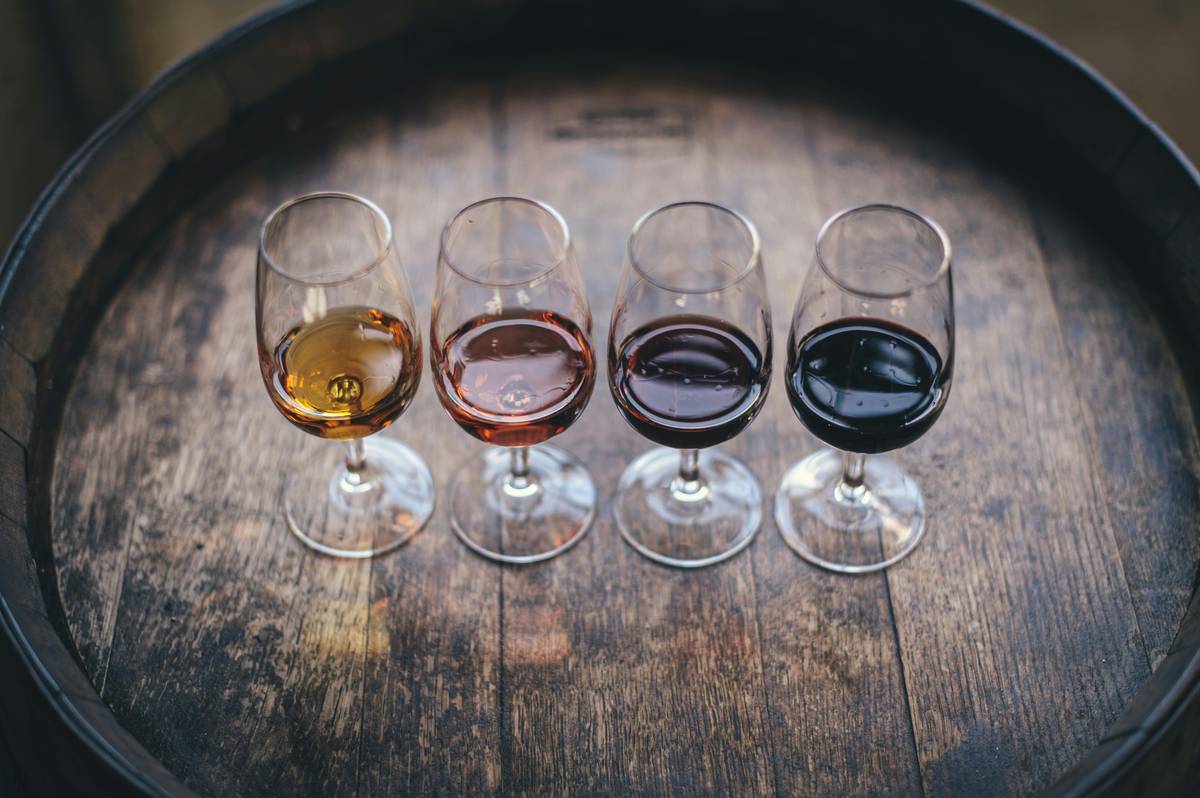
Wine needs wide bowls for aeration. Cocktails demand tall, narrow profiles to preserve effervescence. Don’t force one glass to do everything. Invest in purpose-built insulated designs—yes, even for red wine (ideal serving temp is 55–65°F, not “room temperature” in a sweltering summer home).
Step 3: Care Correctly to Extend Lifespan
Dishwashers degrade vacuum seals over time. Hand-wash with mild soap. Never expose to sudden temperature shocks—no freezer-to-boiling-water stunts. Store upright, not stacked, to prevent micro-fractures.
| Material Type | Temp Retention (Cold) | Eco-Impact | Taste Neutrality |
|---|---|---|---|
| Standard Soda-Lime Glass | 10–15 min | Low (recyclable but fragile) | Excellent |
| Stainless Steel Tumbler | 2+ hours | Moderate (energy-intensive production) | Poor (metallic aftertaste) |
| Vacuum-Insulated Borosilicate Glass | 45–60 min | Very Low (inert, reusable, no leaching) | Excellent |
The Industry Secret: Most Brands Hide the Condensation Test
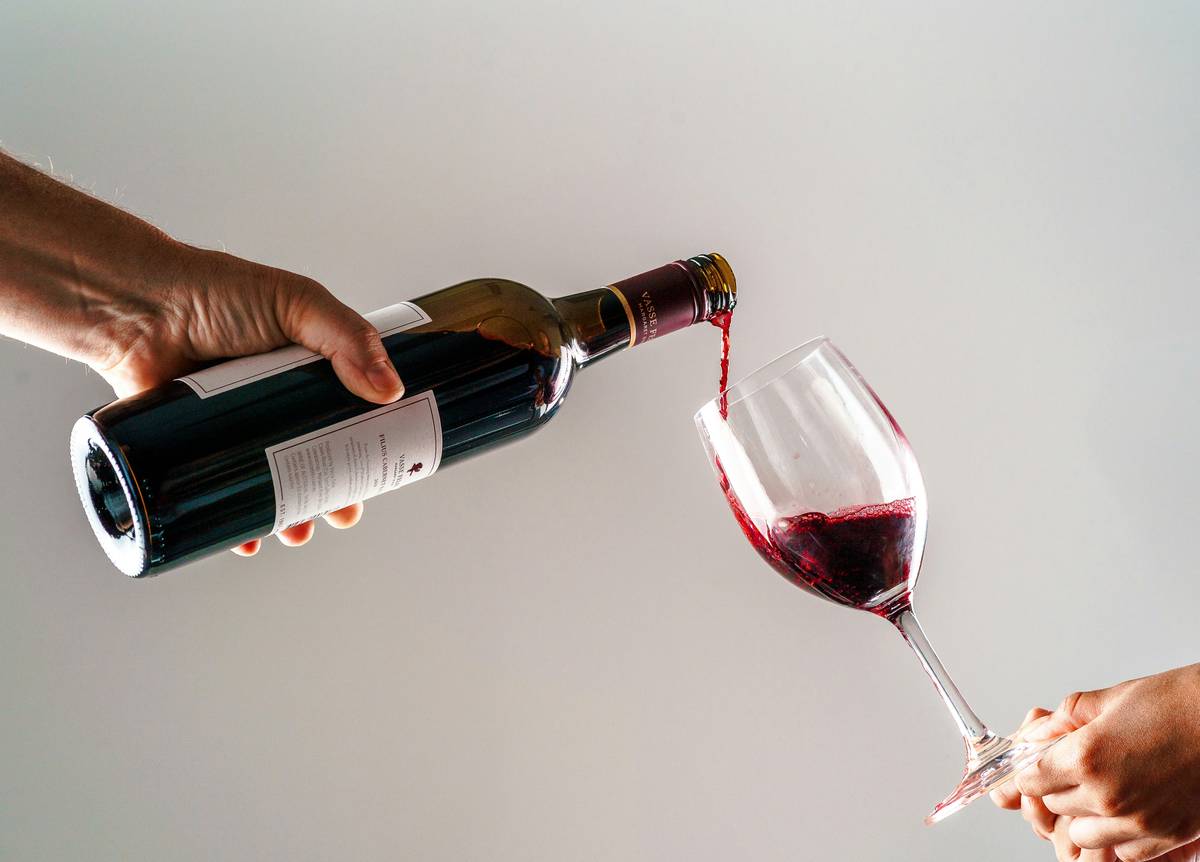
Here’s what manufacturers won’t tell you: true vacuum insulation eliminates external condensation entirely. If your “insulated” glass sweats on the outside when holding ice water—it’s not vacuum sealed. It’s just double-walled with air trapped inside. That moisture isn’t just messy; it signals rapid heat transfer. At agralimited.com, we subject every batch to the 10-minute ice-water condensation test. Fail = scrap. Pass = ship. No middle ground.
Think about it: if you can’t keep the outside dry, how can you possibly regulate the inside?
Frequently Asked Questions
Are insulated glass drinking glasses dishwasher safe?
Technically yes—but repeated high-heat cycles weaken vacuum seals over time. Hand-washing preserves performance for years.
Do they work for hot beverages too?
Absolutely. Vacuum insulation works both ways—keeping coffee hot without burning your fingers, thanks to the outer wall staying cool.
Can they replace traditional wine glasses?
For everyday use? Yes. For formal blind tastings? Maybe not. But for 95% of real-life moments—from backyard BBQs to WFH happy hours—they outperform conventional glass in function and sustainability.