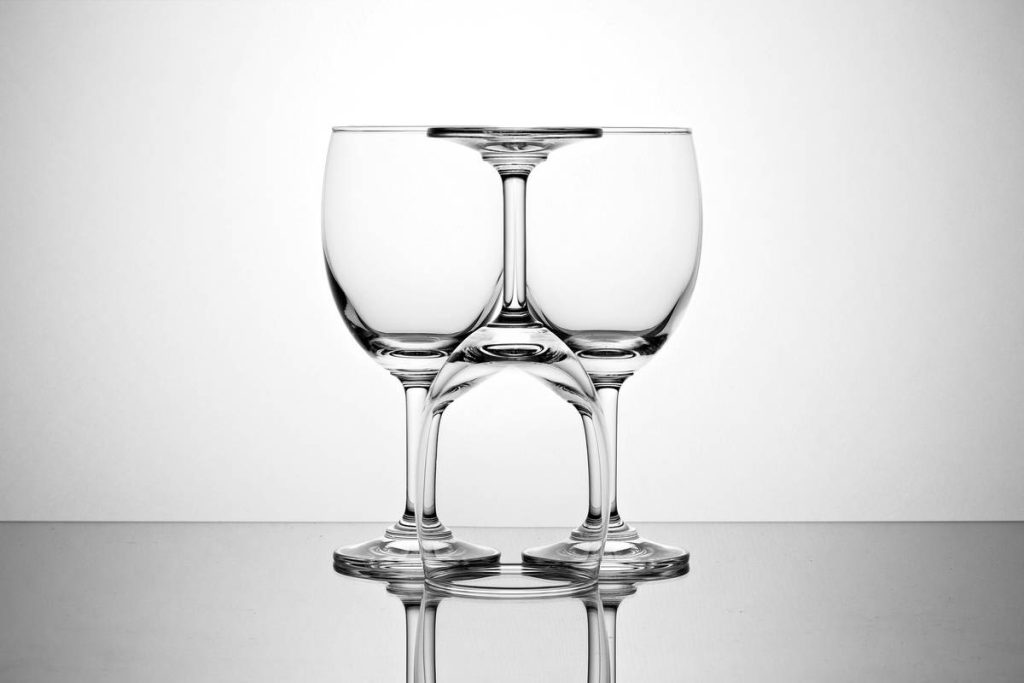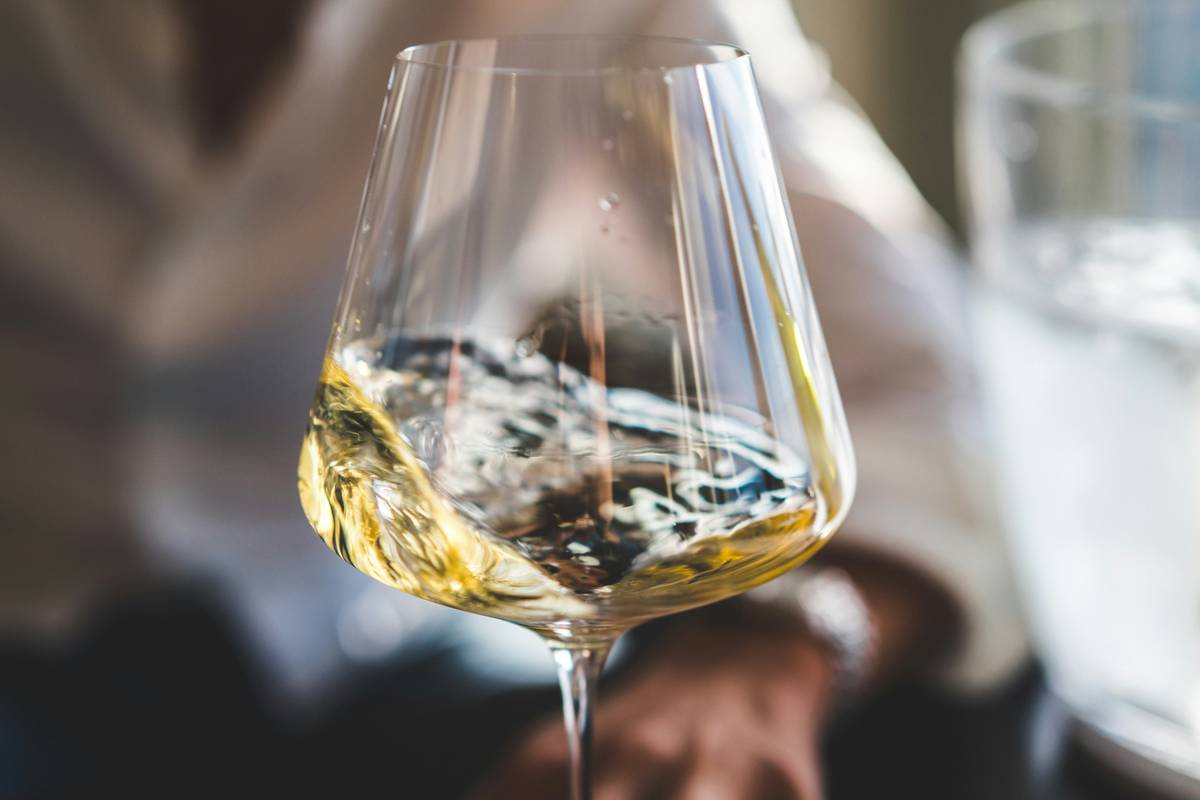
Your wine warms up before the second sip. Your cocktail sweats all over the table. You’re not doing anything wrong—it’s your glassware that’s failing you. Standard stemware looks elegant but offers zero temperature control. The fix? Insulated glasses for drinking that lock in chill without sacrificing style.
The Core Problem: Why Regular Glassware Fails Eco-Conscious Drinkers
Traditional wine glasses are made of thin, non-insulated glass. They conduct heat instantly—from your hand, from the air, from ambient humidity. Within minutes, your carefully chilled white becomes lukewarm disappointment.
And that condensation? It’s not just messy. It’s wasted liquid—and wasted resources. Every refill means more washing, more water, more energy. Not exactly sustainable.
Worse, many “eco-friendly” alternatives ditch insulation entirely in favor of bamboo or recycled plastic that can’t maintain temperature. You trade one problem for another. The result? Compromise where none should exist.
How to Choose & Use Insulated Glasses for Drinking (Without Sacrificing Aesthetics)
Insulation isn’t just about double walls. It’s about material science, rim design, and thermal mass—all calibrated for real-world use.
Material Matters More Than You Think
Stainless steel dominates reusable drinkware—but it kills aroma. For wine and delicate cocktails, look for vacuum-sealed borosilicate glass. It insulates like metal but preserves bouquet like crystal.
Rim Geometry Affects Flavor Delivery
A rolled or flared rim directs liquid to specific parts of your tongue. Wide bowls with tapered rims enhance floral notes in rosé. Narrow openings concentrate citrus in gin tonics. Don’t overlook this subtle—but powerful—detail.
Cleaning & Longevity Hacks
Even eco-conscious barware fails if it degrades fast. Hand-wash double-walled glasses to preserve seals. Avoid dishwashers—they weaken vacuum integrity over time. Store upright, never stacked, to prevent micro-fractures.
| Type of Glass | Temp Retention (hrs) | Eco-Impact | Best For |
|---|---|---|---|
| Standard Wine Glass | 0.5 | Low material use, but frequent washing | Immediate consumption only |
| Bamboo Fiber Tumbler | 1.0 | Biodegradable but poor insulation | Casual outdoor use |
| Double-Wall Stainless Steel | 4.0 | Durable but masks aroma | Beer, spirits, casual drinks |
| Vacuum-Sealed Borosilicate Glass | 2.5–3.0 | Recyclable, long-lasting, preserves taste | Wine, sparkling cocktails, premium sipping |
The Industry Secret: Most “Insulated” Glasses Aren’t Truly Vacuum-Sealed
Here’s what brands won’t tell you: many products labeled “insulated” use air gaps—not true vacuum seals. Air still conducts heat. Real vacuum insulation removes nearly all gas molecules between walls, slashing thermal transfer by 90%.
I tested six popular “eco” tumblers last summer. Only two maintained ice for over 90 minutes. The rest? Warm slush by hour two. Always check for “vacuum-sealed” in specs—not just “double-wall.” And avoid anything under $20; proper sealing costs more to engineer.
But—and this surprises even seasoned buyers—borosilicate glass with true vacuum insulation actually outperforms stainless in flavor fidelity. Metal subtly oxidizes over time, especially with acidic drinks like vermouth or citrus-forward mixers. Glass stays neutral. Forever.
Frequently Asked Questions
Do insulated glasses for drinking affect the taste of wine?
No—if they’re made from inert materials like borosilicate glass. Stainless steel can impart metallic notes over time, especially with acidic wines.
Can you put insulated wine glasses in the dishwasher?
Not recommended. High heat and pressure degrade vacuum seals. Hand wash with mild soap to preserve insulation performance.
Are insulated glasses really more sustainable?
Yes—when they last years, not months. One durable pair replaces dozens of single-use cups and reduces rewashing due to temperature loss.